Prompt Templates vs. Ad-Hoc Prompts: When a Reusable System Beats Writing From Scratch Every Time
October 15, 2026 · 8 min read
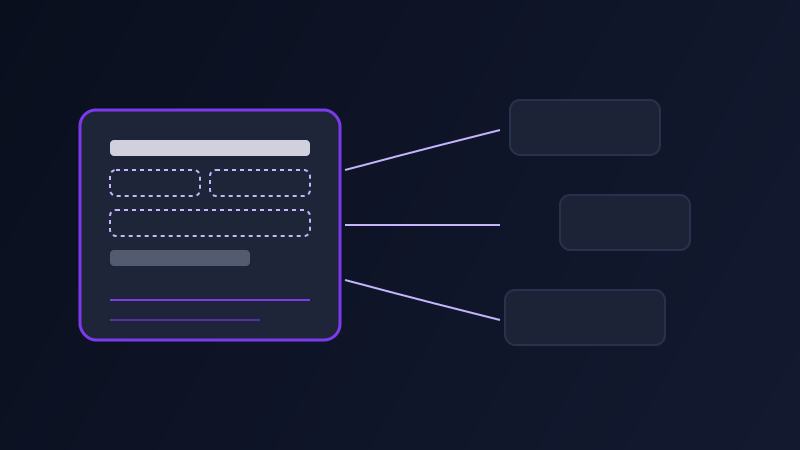
Most people write every prompt as if it is the only one they will ever need, and for a genuinely one-off task, that is the right call. The problem shows up quietly, on the fifth or tenth time you ask an AI tool to do the same kind of thing with slightly different specifics, a weekly report, a product description, a social caption, a code review comment, and you are still typing the whole thing out from memory, getting slightly different structure and quality each time depending on how carefully you phrased it that day.
What an ad-hoc prompt actually is
An ad-hoc prompt is written fresh, for the task in front of you, with no expectation of reuse. It is fast to write for something genuinely unique, it can respond to whatever specific detail matters right now, and it carries zero setup cost. The tradeoff is that nothing about it is guaranteed to repeat: the structure, the level of detail, even which instructions you remembered to include, can all shift slightly between sessions, which is fine once and inconsistent across ten.
What a prompt template actually is
A template is a prompt written once with the stable parts locked in, role, format, tone, constraints, and the variable parts left as clearly marked slots you fill in each time: a topic, a product name, a target length, a specific detail. Everything that should stay the same across every use of the template (the output format, the voice, the things to avoid) only has to be gotten right once, and every new use inherits that quality automatically instead of depending on you remembering it again.
The actual tradeoff, not the obvious one
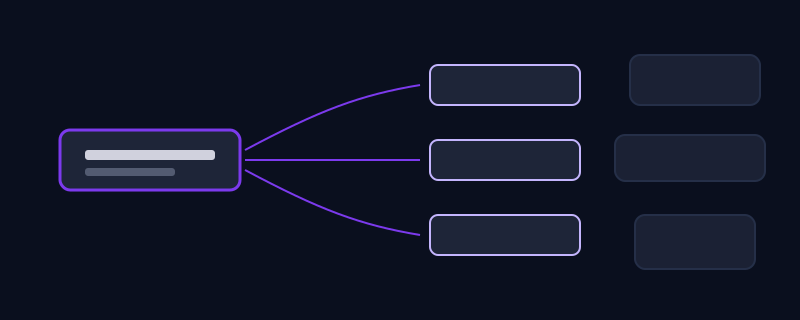
The obvious tradeoff looks like speed versus quality, but that is not quite it, a well-written ad-hoc prompt can be just as good as a template on any single use. The real tradeoff is consistency across repetitions versus flexibility on anything that does not fit the template's shape. A template that assumes a certain audience, format, or constraint will actively fight you the moment a request falls outside that shape, forcing an awkward edit to the template itself or a return to writing from scratch anyway. Templates earn their setup cost specifically on recurring tasks, not on tasks that merely feel similar to something you did once before.
Signs you should build a template
You have written a similar prompt at least three or four times already, and you can feel yourself reconstructing it from memory instead of reading it off something saved. The output quality has visibly varied between uses of a task that should produce the same kind of result every time. Other people on your team are expected to do the same kind of AI-assisted task, and right now each person is writing their own version of the same instructions with different results. Any one of these is a reasonable signal that the setup cost of a template will pay for itself within a handful of future uses.
Signs ad-hoc is still the right call
The task genuinely varies enough each time that most of the prompt would need rewriting anyway, which means a template would mostly be slots with almost nothing locked in, offering little savings. You are still exploring what the right approach even is, and locking in a structure too early means repeating an approach you have not actually validated yet. It is a true one-off, something you will not need again in a form close enough to reuse.
Building a template that survives contact with a real request
Write the first version from an actual successful ad-hoc prompt, one that already worked well, rather than designing a template from scratch in the abstract. Mark the variable parts explicitly, with brackets or placeholders, so future-you does not have to guess which words are structure and which are meant to be swapped out. Test it against two or three genuinely different real requests, not the one example that inspired it, since a template that only works for the case it was built from is not actually a template yet. Revisit it after a stretch of real use, since the first version of any template usually locks in one or two assumptions that turn out to be wrong once more edge cases show up.
Where this fits into a broader prompting workflow
Templates and ad-hoc prompts are not a permanent choice between two camps, they are two tools for two different moments in the same workflow. Most people end up using ad-hoc prompting to explore a new kind of task, and only convert it into a template once the pattern has proven itself through repetition, at which point the right move is building and reusing that structure rather than rewriting it from memory every single time it comes up again.
Frequently asked questions
How many times do I need to repeat a task before a prompt template is worth building?
There is no fixed number, but three or four repetitions is a reasonable signal, especially if you notice the output quality varying between uses or you are reconstructing the same prompt from memory each time. If the task is still changing shape significantly each time you do it, it is too early, build the template once the pattern has stabilized.
Does using a prompt template make outputs less creative or more generic?
Only if the template locks in too much. A good template fixes the parts that should genuinely stay consistent, format, tone, constraints, while leaving clear slots for the specific, variable content each time. The creative or specific part of the request still lives in those slots; the template just removes the risk of forgetting a structural detail you always meant to include.
Should a whole team share one prompt template for the same task?
Usually yes, if multiple people are doing a similar AI-assisted task and getting inconsistent results from writing their own version of the instructions. A shared template turns "everyone's own approach" into one tested structure, which is also easier to improve over time since fixes benefit everyone using it instead of staying stuck in one person's habits.
Can a prompt optimizer tool help with templates as well as one-off prompts?
Yes, the same underlying skill, structuring a rough idea into a well-formed prompt, applies to both. Promptima can optimize a single ad-hoc request on the spot, and the same structured result is a reasonable starting point to turn into a template yourself once you notice you are repeating a similar request often enough to justify it.
Build a reusable prompt template tuned to your tool →
✦ Try Promptima freeMore articles
Best AI Prompt Optimizer Tools in 2026 (And When to Use Each)
Prompt marketplaces, browser extensions, manual prompt engineering, and dedicated optimizers all solve a different version of the same problem. Here is how to tell which one you actually need.
How to Turn One Photo Into a Ready-to-Use AI Video Prompt
You have an image whose look you want to bring to life as a video. The problem is that video AI tools don’t read image prompts — they need camera, motion, and duration described in a completely different structure. Here’s how to bridge the two.